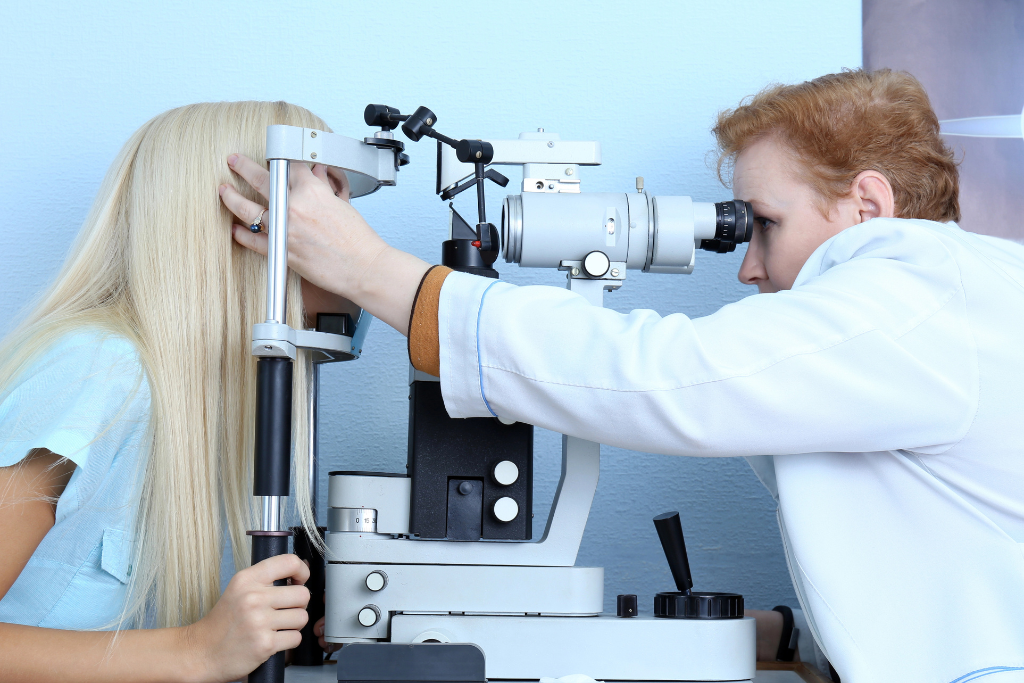
Keratoconus is a progressive eye condition in which the cornea, the clear front surface of the eye, thins and bulges into a cone-like shape. This distortion prevents light from focusing correctly, leading to blurred and often distorted sight. Because the cornea is the primary lens of the eye, even minor structural changes can have a major impact on how you see the world.
Finding the right path for eye care is about more than just getting a new prescription. It is about protecting the long-term health of your sight. For those living with this condition, a keratoconus specialist in Los Angeles offers a level of focus that goes beyond standard exams. Specialized management leads to better results, more exact treatment, and a significant improvement in daily life. Why see a keratoconus specialist for eye care?
What Is Keratoconus?
At its onset, keratoconus often mimics common vision problems, such as nearsightedness or astigmatism. However, as the corneal tissue weakens, the surface becomes irregular. This progression causes symptoms such as:
- Frequent changes in eyeglass prescriptions.
- Increased sensitivity to bright light and glare.
- Ghosting or halos around lights, especially at night.
- Cloudy or distorted vision that cannot be fixed with standard glasses.
Early detection is a major factor in maintaining sight. When the thinning is caught in its initial stages, doctors can intervene to stop the bulging before it causes permanent scarring or severe loss of sight.
Also Read: Why Early Detection Is Critical for Keratoconus Treatment
Limitations of General Eye Care
Many people start their journey with a general ophthalmologist or optometrist. While these professionals are excellent for routine checkups and standard vision issues, they may lack the specialized tools or day-to-day experience required to treat corneal disease.
General practices often manage keratoconus by simply updating glasses or standard soft contact lenses. Unfortunately, as the cornea continues to shift, these basic methods fail. A general practitioner might not encounter enough cases to recognize subtle signs of progression, which can lead to delays in initiating more advanced therapies. Without a focus on keratoconus treatment, a patient might struggle with discomfort and poor vision for years before being referred to an expert.
Advanced Expertise of a Keratoconus Specialist
Dr. Ebbie Soroudi has dedicated their career to the study of the cornea. This path involves additional years of training and a high volume of cases that a general practitioner rarely encounters. This experience builds a deeper understanding of how different corneal irregularities behave over time.
Whether a case is mild or highly advanced, a specialist understands the nuances of the disease. They know how to differentiate between stable keratoconus and an active flare-up that requires immediate action. This level of expertise means you receive care rooted in the latest clinical findings and a deep track record of successful patient outcomes.
Access to Advanced Diagnostic Technology
Corneal Topography and Tomography
These devices create a 3D map of the cornea. They measure the thickness and curvature of the eye at thousands of points. This allows the doctor to:- Spot the earliest signs of thinning before symptoms appear.
- Track minute changes in the cone’s shape over months or years.
- Monitor the success of interventions like cross-linking.
Customized Treatment Options
Every eye is different, and how keratoconus specialists provide advanced eye care is through highly personalized plans. There is no standard approach; instead, the treatment is built around your specific corneal shape and lifestyle needs.
Specialty Contact Lenses
When glasses no longer work, specialists turn to custom contact lenses for keratoconus. Scleral lenses are a popular choice because they vault over the irregular cornea and rest on the white part of the eye, creating a smooth new surface for light to pass through. Hybrid lenses and GP (gas permeable) lenses are also used to provide crisp vision that standard soft lenses cannot achieve.
Corneal Cross-linking (CXL)
Corneal cross-linking and keratoconus management have changed how doctors treat this disease. This procedure uses UV light and riboflavin drops to strengthen the chemical bonds in the cornea. It is the only treatment proven to stop the progression of the disease, potentially saving a patient from needing a transplant later in life.
Surgical Interventions
In advanced cases where lenses are no longer wearable, a specialist can perform surgeries such as Intacs, corneal inserts, or, as a final step, a corneal transplant. Having a surgeon who specializes in these procedures is a safety net for those with severe thinning.
Better Visual Outcomes
The primary reason to seek expert care for patients with keratoconus in Los Angeles is the quality of the visual results. Patients often report seeing more clearly through specialized lenses than they ever did with glasses.
Beyond clarity, there is the benefit of comfort. Custom-fit lenses reduce the irritation and redness often associated with poorly fitting contacts. By slowing the disease with the right intervention, you also reduce the risk of needing invasive surgery, helping keep your natural cornea healthy for as long as possible.
Ongoing Management and Support
Keratoconus is a lifelong condition. It requires regular monitoring to make sure the cornea remains stable. A specialist provides a long-term strategy that includes:
- Routine mapping of the eye to check for new thinning.
- Updating lens designs as the eye or technology changes.
- Guidance on lifestyle habits, such as avoiding eye rubbing, which can worsen the condition.
This consistent support gives patients peace of mind, knowing that a dedicated expert is watching over their vision.
Real-Life Impact
When vision improves, life changes. Patients who previously struggled to drive at night or read a computer screen find they can return to their normal activities. The emotional relief of knowing your sight is stable is immense.
Consider the story of a young professional who could no longer perform their job due to ghosting and double vision. After visiting a specialist and being fitted with custom scleral lenses, their vision returned to 20/20. They were able to stay in their career and regain their independence. This is the power of vision correction when handled by an expert.
When to See a Keratoconus Specialist
- A sudden drop in the quality of your vision.
- Increased ghosting or multiple images around a single light source.
- Discomfort or poor vision with your current contact lenses.
- A diagnosis of keratoconus from a general doctor.
Conclusion
Choosing the right doctor is the most important decision a person with keratoconus can make. While general eye care is helpful for many, the complexities of a thinning cornea demand a keratoconus specialist in Los Angeles. From the use of high-definition mapping to the application of corneal cross-linking, specialized care offers the best chance at a life with clear, stable sight.
Advanced eye care is an investment in your future. By choosing an expert who understands the unique challenges of your condition, you are taking a stand to protect your vision for years to come. Seek out an evaluation today with Soroudi Advanced LASIK & Eye Centers and see the difference that focused expertise can make.