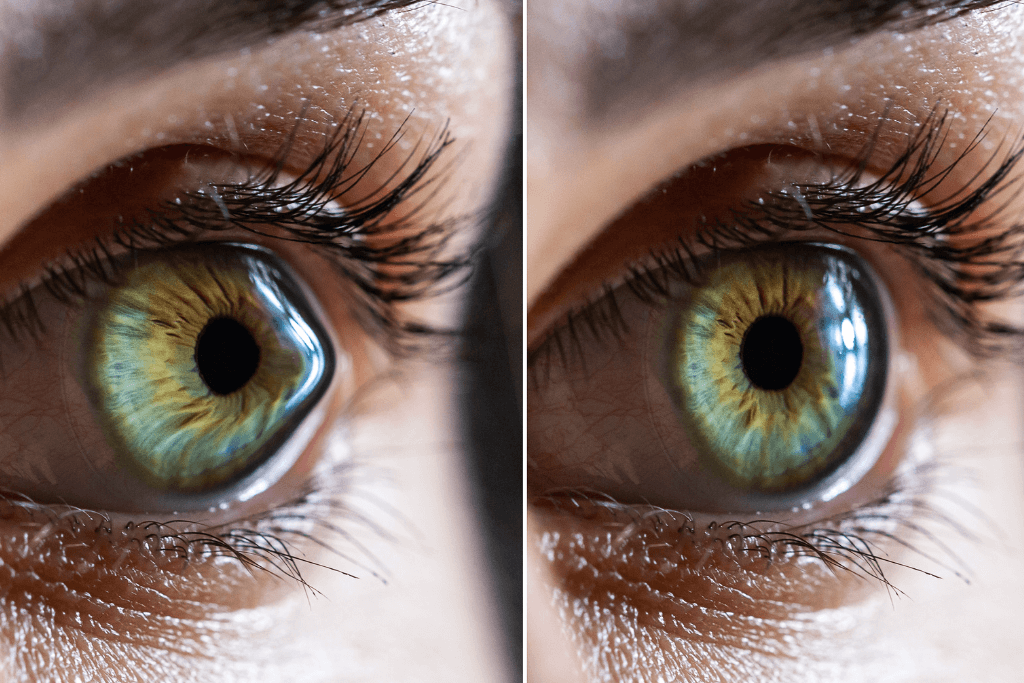
Keratoconus is a condition that can be difficult to understand for those affected. As a progressive eye disorder, it can have a significant impact on vision, leading many patients to ask a very personal question: Why did this happen to me? The answer is usually not a single cause, but rather a combination of inherited traits and environmental influences. Understanding these factors is more than informational. It plays an important role in early detection and long-term vision protection, especially for families.
In Los Angeles, where access to advanced eye care is widely available, more individuals are seeking answers about the origins and risks of keratoconus. Early diagnosis and timely treatment are essential for preserving vision, making awareness of risk factors extremely important. This article explores the genetic links, additional contributors, and why a family history of keratoconus should prompt an evaluation by an eye doctor in Los Angeles.
Understanding Keratoconus
What Happens to the Cornea
Keratoconus is a progressive condition that affects the cornea, the clear, curved surface at the front of the eye. In a healthy eye, the cornea maintains a stable and rounded shape that helps focus light accurately onto the retina. With keratoconus, the corneal tissue weakens over time, becoming thinner and bulging outward. This change in shape leads to irregular astigmatism, which causes blurred or distorted vision and increased sensitivity to light.
Typical age of onset
Keratoconus most commonly begins during the teenage years and early adulthood, often appearing between the late teens and early thirties. The rate of progression varies widely, but the condition often slows or stabilizes later in adulthood. Vision changes that occur during the active phase can be permanent if not treated. For this reason, a diagnosis of keratoconus in Los Angeles should be followed by consistent monitoring and care. Early identification enables treatments that can slow or halt progression before serious vision loss occurs.
Is Keratoconus Genetic?
A common and important question among patients and families is whether keratoconus is hereditary. While not every case can be traced directly through family lines, research clearly supports a genetic component.
The role of family history
Studies show that up to 15% of people with keratoconus report a family history of the condition. This number is significant enough to suggest inherited susceptibility. Immediate relatives, such as siblings or children of someone with keratoconus, have a higher statistical risk of developing the condition. For this reason, family history should be considered a major risk factor and an important reason for early screening.
Genetic research findings
Ongoing research has identified several gene variations associated with corneal strength and collagen structure. These genes influence the resilience of corneal tissue over time. Keratoconus is believed to be a polygenic condition, meaning multiple genes contribute tothe overall risk. Having these genetic traits does not guarantee that keratoconus will develop, but it does increase vulnerability, especially when combined with environmental triggers.
Genetics versus environment
A genetic predisposition alone does not determine whether keratoconus will progress. Environmental factors and everyday habits play a major role. While genes cannot be changed, many external risks can be managed, which is a key message for families with inherited risk.
Risk factors beyond genetics
Eye rubbing
Frequent or aggressive eye rubbing is one of the strongest environmental contributors to keratoconus progression. Repeated mechanical stress weakens corneal tissue, particularly in individuals who are genetically predisposed. This behavior is commonly associated with allergies and chronic eye irritation.
Allergic and atopic conditions
There is a well-documented association between keratoconus and allergic conditions such as asthma, eczema, and seasonal allergies. The connection appears to involve chronic inflammation combined with repeated eye rubbing triggered by itching.
Certain medical conditions
Some systemic medical conditions are associated with a higher risk of keratoconus. These include Down syndrome, Ehlers-Danlos syndrome, and other connective tissue disorders. These conditions affect tissue strength throughout the body, including the cornea.
Environmental exposure
Prolonged exposure to ultraviolet light without adequate eye protection and unmanaged eye irritation may accelerate corneal weakening. Protective eyewear and good eye hygiene are especially important for individuals with a known genetic risk.
Screening and early detection for families
Why eye exams matter
For individuals with a family history of keratoconus, routine comprehensive eye exams are essential. At risk family members should consider yearly or every other year evaluations beginning in adolescence. Early diagnosis allows for timely treatment such as corneal crosslinking, which can stop progression and preserve vision.
Advanced diagnostic imaging
Modern eye imaging has made early detection more accurate than ever. Corneal topography and tomography create detailed maps of corneal shape and thickness, identifying subtle changes before symptoms become noticeable. While genetic testing for keratoconus is still evolving, specialized clinics may offer additional evaluation options.
Managing risk and protecting vision
Reducing eye rubbing
Limiting eye rubbing is one of the most effective preventive measures. Proper allergy management can significantly reduce irritation and the urge to rub the eyes.
Early treatment options
When keratoconus is diagnosed early, treatments such as corneal crosslinking can strengthen the cornea and prevent further progression. Specialty contact lenses may also help improve vision by correcting irregular astigmatism.
Educating the family
Open conversations about the risk of keratoconus are critical. Encouraging family members to undergo baseline eye exams and to understand early warning signs enables proactive care rather than delayed treatment.
Conclusion
Keratoconus is a complex condition influenced by both genetic and environmental factors. A family history increases risk, but it does not guarantee the condition will develop. Habits such as chronic eye rubbing and unmanaged allergies can significantly affect progression.
For individuals in the Los Angeles area, scheduling an evaluation at Soroudi Advanced LASIK & Eye Centers provides access to advanced diagnostic tools and specialized care. If keratoconus runs in your family or if you notice changes in your vision, early evaluation is not optional. It is one of the most important steps you can take to protect your eyesight long term.